Community participation is one of those NDIS terms that gets used a lot but rarely explained well. For some participants, it means joining a local group. For others, it means building enough confidence to use public transport alone. For many, it simply means having a familiar person alongside when the outside world feels too much.
This guide explains what NDIS community participation actually covers in Melbourne, how it is funded, and how to use it in a way that genuinely helps.
What Is NDIS Community Participation?
Community participation is support that helps you take part in social, recreational, and community activities. The goal is not just getting you out of the house. Rather, it is about helping you build real connections, develop skills, and feel like a genuine part of your community.
In practice, this support can look like many different things. For example, it might mean attending a hobby class or local event with a support worker. It could also mean learning to use public transport safely, joining a social group, volunteering somewhere meaningful, or simply building confidence in situations that have felt difficult before.
The common thread is this. Someone is supporting you to be part of things, not just managing your care at home.
How Is Community Participation Funded?
Community participation is funded in two main ways. Understanding which applies to you is important before you start arranging anything.
1: Core Supports
This is the most common way community participation is funded. It sits under your Core budget, which is generally the most flexible part of your NDIS plan. If you have Core funding, you may already be able to use part of it for community participation without needing separate approval.
Core funding covers things like going to activities with a support worker, accessing community venues, and social outings in Melbourne.
2: Capacity Building
This sits under your Capacity Building budget. It is more focused on building skills over time, rather than simply providing support while you do something. For instance, a participant might use Capacity Building funding to work on social confidence, communication skills, or learning to navigate community spaces more independently.
In short, Core funding supports you to participate now. Capacity Building funding helps you participate more independently in the future.
If you are unsure which applies to your plan, speak to your Support Coordinator or LAC before booking anything.
Why Community Participation Matters?
It is easy to think of community participation as a nice extra. However, that view underestimates how much it matters, particularly for participants with psychosocial disability or mental health conditions.
Social isolation is one of the biggest challenges facing NDIS participants. When people spend most of their time at home with limited contact, it affects their mental health, their sense of identity, and their long-term wellbeing. Moreover, getting out regularly, even in small ways, creates real change over time.
A weekly activity gives the week structure. A familiar group gives a sense of belonging. A consistent support worker helps you build confidence gradually. These are not minor benefits. For many participants, community participation is the support that makes everything else feel more manageable.
What Community Participation Looks Like in Melbourne?
Melbourne has a genuine range of options for community participation. Here are some of the most common ones.
1: Sport and Fitness
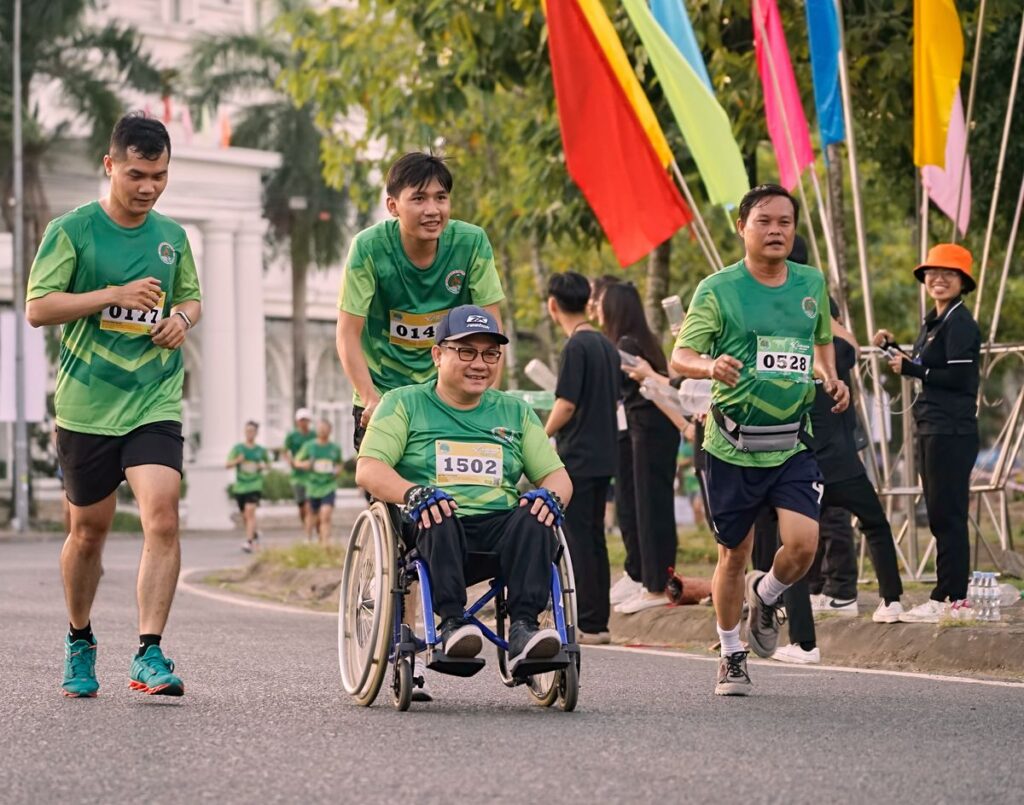
Adaptive sport, walking groups, gentle fitness classes, and swimming are available across Melbourne suburbs. Having a support worker alongside can make the difference between joining and not joining. They manage logistics, help with communication, and make the experience feel safer.
2: Arts and Creative Activities
Painting classes, music groups, community theatre, and photography are popular choices. These work especially well for participants who find large social situations harder. A shared focus makes interaction feel more natural.
3: Volunteering
Some participants find that volunteering gives them a real sense of purpose. Community gardens, op shops, food banks, and local organisations are all options across Melbourne. A support worker can help with getting there, managing any required communication, and building a consistent routine around it.
4: Social Groups and Peer Connection
Disability-specific social groups and peer support programs exist across Melbourne. These can be a good option for participants who want to connect with others who genuinely understand their experience. Furthermore, the social dynamic in peer groups tends to feel less pressured than general community settings.
5: Practical Skill Building in the Community
Using public transport, shopping independently, managing money in real situations, these are all things that community participation funding can support. It is practical, goal-focused work that builds genuine independence over time.
How to Get Started With Community Participation in Melbourne
If community participation is in your plan, here is how to approach it.
Step 1: Be Clear About What You Want to Do
The support should be built around your interests and goals. Therefore, think about what you genuinely enjoy, what you have always wanted to try, or what you find hard but would like to improve. Do not let a provider decide this for you.
Step 2: Talk to Your Support Coordinator
Your Support Coordinator can help you identify relevant activities in Melbourne, connect you with community organisations, and confirm that the support you want is within your plan budget. Use them for this, it is exactly what they are there for.
Step 3: Choose a Provider Who Listens
Not all community participation support is the same. Some providers run fixed group programs where everyone does the same activity. Others work individually, supporting you to access whatever makes sense for your goals.
Ask your provider directly, who will support me, will it be consistent, and how do you decide what activities I do? The answers will tell you a great deal about how they actually work.
Step 4: Start Small
Community participation does not need to start big. One activity, once a week, with a familiar support worker, is a solid beginning. In fact, consistency matters more than variety, especially early on. Build from there.
Community Participation at ThriveWell Care
At ThriveWell Care, we offer community participation support for NDIS participants across Melbourne. We work particularly with participants who have psychosocial disability, mental health conditions, and complex support needs.
Our approach is straightforward. We find out what you actually want to do, and then we support you to do it. We do not run a fixed program and expect you to fit in. Support is built around your life, your interests, and what genuinely matters to you.
We also understand that for some participants, particularly those with anxiety or who have been isolated for a long time, getting out is not always a smooth process. It takes time, trust, and a support worker who shows up consistently. That is what we aim to provide.
If you would like to find out whether we can help, call us on 0493 409 304 or submit a service request on our website.
Key Points
Community participation is NDIS-funded support that helps you take part in social and community life. It can be funded under Core Supports or Capacity Building, depending on your plan. In Melbourne, there are good options across sport, arts, volunteering, social groups, and practical skill building. Start with what you genuinely want to do. Choose a provider who builds support around you, not their own schedule. Stay consistent the same activity, the same worker, building trust gradually.
Community participation, done well, is often the support that makes the biggest difference to how someone feels from day to day. It is worth taking it seriously.